
When Brands Communicate on Product Sustainability Everyone Wins
By Chris Callaghan
ARTICLE January 5, 2026
As companies try to engage with sustainability-minded consumers, research revealing consumer interest in product-specific sustainability suggests there may be a disconnect.
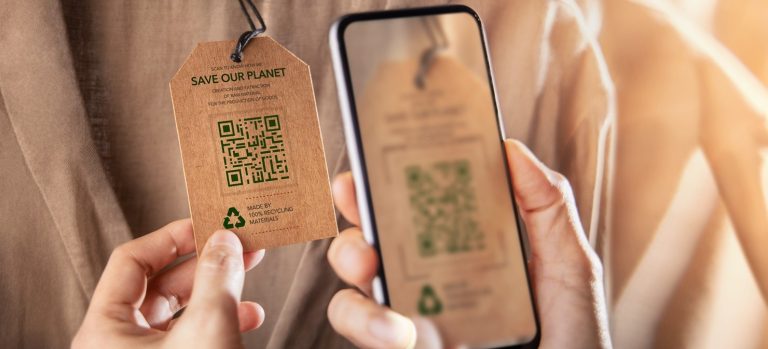
Companies are increasingly communicating on sustainability topics, partially in response to expectations that brands comply with ESG standards and growing consumer demand for sustainable products and services. This communication includes top-level reporting on company sustainability performance, including annual Sustainability Reports (according to KPMG, 96% of the world’s largest 250 companies reported on sustainability in 2024). Beyond reporting, innovation storytelling and broad-based marketing campaigns highlight brand sustainability values and achievements. While these efforts serve a purpose, there is evidence to suggest that companies should prioritize engaging with sustainability-minded consumers on the product level.
Consumer Research Reveals the Opportunity
Recent research into the purchasing behavior and interests of consumers has revealed where companies may be coming up short when it comes to discussing sustainability with consumers.
Insight: According to a 2024 PwC consumer survey, 46% of respondents said they are purchasing more sustainable products or products with a reduced climate impact in order to reduce their impact on climate change.
Takeaway: Many consumers understand that their choice of sustainable products will have a positive climate impact.
Insight: A joint study by McKinsey and NielsenIQ found that in two-thirds of product categories surveyed, sales of products that made ESG-related claims grew faster than those that didn’t.
Takeaway: Communicating the specific ESG credentials of products boosts sales.
Insight: A Boston Consulting Group study on consumer carbon offsetting found that many consumers are interested in learning about the carbon footprint of their everyday purchases.
Takeaway: Providing consumers with the carbon footprint data for individual products would increase transparency and promote consumer adoption of carbon offsetting.
Insight: In CapGemini Research Institute’s ‘A World in Balance’ 2025 consumer survey, when consumers were asked ‘What are the biggest barriers preventing you from purchasing sustainable products?’ 43% said they didn’t have enough information about the product.
Takeaway: This suggests that companies are not doing enough to communicate about sustainability on the product level and that this is limiting the sale of sustainable products.
This data reveals a clear message: consumers want companies to communicate more about the sustainability metrics and impacts of individual products. Additionally, companies that do this can gain a competitive advantage as customers select their product based its sustainability claims. This makes sense in the context of what is understood about effective sustainability communications- that making sustainability relevant and relatable to people is key to motivating them to make sustainable choices. Talking about how individual consumer products impact the environment achieves this.
Turning Opportunity into Action
Some companies have already recognized the value of communicating on product-specific sustainability. According to Capgemini Research Institute, in 2025 49% of surveyed executives said their company communicates a carbon footprint for every product/service they sell (this was down from 65% in 2024). Capgemini research also points out that 30% of executives say their organizations are implementing Digital Product Passports. Examples of companies doing this are UK fashion retailer Nobody’s Child and Dutch reuseable water bottle manufacturer Dopper. Also focusing on product-level sustainability communication, Apple has been creating detailed Product Environmental Reports for several generations of iPhones.
For companies wishing to join those that are already engaging on product sustainability, how should they communicate in a way that connects with consumers?
Messaging that Matters to Consumers
There are many sustainability indicators that can be relevant when discussing a product or product group. These include carbon emissions, energy efficiency, durability, the use of recycled materials, and product recyclability. All of these can be discussed in the context of a product’s lifecycle. Which metrics to focus on depends on product-specific characteristics such as function, materials and production methods. Product messaging will also vary depending on which sustainability topics are most important to the target audience. Understanding the customer’s interests and motivations and providing them what they want to know is key.
When communicating product sustainability, it’s helpful to present credible statistics and impacts that are tangible and relatable to the consumer. Ways to do this include:
- Personalizing product sustainability by showing people how their individual use of a product has an impact on reducing emissions, saving energy, etc. Educating consumers on how they can use a product more sustainably is part of this conversation.
- Framing statistics in everyday terms makes them easier to understand. For example, equating product carbon emissions reductions with saving x number of flights from New York to London may be easier for people to grasp than x kg CO2
- Presenting third-party expert verification of data and results lends credibility to a company’s product sustainability claims.
- As with other forms of corporate communication, storytelling plays a key role. Describing the product sustainability goal or challenge the company tackled, what motivated the company to do this, how the goal was achieved and what the results were makes a company’s commitment to sustainability tangible. This approach addresses the emotional aspect of sustainability storytelling by highlighting the people behind the products and how they hope to make a positive impact.
Content and Tools that Resonate
Messaging on product sustainability works best when it is communicated in content that resonates with audiences. As BCG research indicates, the Product Carbon Footprint (PCF) is important to consumers. The PCF measures the carbon emissions of a product from production until either it is shipped for sale (cradle-to-gate) or until the end of its lifecycle (cradle-to-grave). PCFs typically include emissions along the supply chain. Another emerging content format is the Digital Product Passport (DPP) which includes data along a product’s lifecycle describing its origin, materials, environmental impact and end of life cycle recommendations. The Product Environmental Reports that Apple creates for iPhones also contain information found in PCFs and DPPs.
Playing to the strengths of multimedia and digital solutions to communicate product sustainability can bring often dry and confusing technical data to life. Video can make sustainability content easily accessible and digestible. Beyond video, interactive multimedia and virtual brand experiences, particularly those with gamification elements, can help consumers explore product sustainability benefits in ways that are more personally meaningful and fun. Digital solutions that enable consumers to track and mitigate their personal product use impacts (e.g. through carbon offsetting) can reduce environmental impacts and provide additional touchpoints between seller and customer over a product’s lifespan.
Success is Measurable
An open and honest dialogue on sustainability between a company and consumers is essential. Companies can use this dialogue to gauge the effectiveness of their sustainability product communications. Asking the consumer about the effectiveness of product sustainability content, tools and information (for example, what they found useful and what was missing) can help companies continuously improve how they communicate. Customer input can also be useful in helping companies design and test the next generation of sustainable products.
Consumer feedback can be gathered via formal customer research surveys or informally via comments and polling on social media. A company’s employees, themselves also consumers, can also offer valuable insights.
Benefits for Consumers and Companies
When brands engage in product-specific sustainability communication it creates a win-win-win situation: delivering benefits for the company, its customers and for the environment.
Benefits for companies:
- Work in partnership with consumers to reduce the environmental footprint of products through more sustainable use
- Receive feedback from consumers that can help develop products that are more sustainable
- Drive sustainable product sales
Benefits for consumers:
- Ability to select sustainable products using the information provided to them
- Access to information describing the impacts of their personal use of products
- Learn how to use products more sustainably
Chris Callaghan is a corporate communications consultant supporting brands in the areas of multimedia content creation and sustainability communications.